How to Choose a Dune Buggy for Dubai Desert Rides
Know Your Terrain and Your Needs
Dubai's desert is not a single flat stretch of sand. It varies from soft, powdery dunes near the city to harder, packed sand further inland. The kind of dune buggy that works well on one type of sand may struggle on another. Before you look at any buggy model, think about where you plan to ride most often. If you expect to climb tall, steep dunes, you need a machine built for sand dune climbing. If you prefer long, fast runs across open desert flats, a different setup may suit you better.
Your own experience level matters too. A first-time rider should look for a buggy that is forgiving and easy to control. An experienced driver may want more power and less safety intervention. Matching the buggy to your skill and the terrain is the first step to a good day out.
Check the Buggy Model and Engine Type
Dune buggies come in many shapes and engine sizes. The buggy model determines how the vehicle handles heat, sand, and long rides. Most Dubai desert buggies use either a four-stroke engine or a two-stroke engine. Four-stroke engines are generally more reliable and use standard petrol. Two-stroke engines can be lighter and more powerful for their size, but they need a mix of oil and fuel and can be fussier in fine sand.
Look for a model that has a good reputation in desert conditions. Some buggies are designed primarily for dunes, with a low centre of gravity and wide wheelbase. Others are built for speed on hard-packed tracks. A genuine desert buggy will have features such as sand-proof air filters, sealed electrical connections, and a cooling system that can handle the harsh UAE summer. A good cooling system is not a luxury; it prevents the engine from overheating during long climbs or slow sections in soft sand.
Inspect the Roll Cage and Harness Seatbelt
Safety in a dune buggy starts with the structure around you. A proper roll cage is not just a few tubes welded together. It should be made of strong steel or aluminium and bolted securely to the chassis. The cage should extend above your head and around the sides, so if the buggy tips or rolls, you stay protected. Do not assume that any metal frame is a roll cage. Some buggies have a simple canopy that offers little protection in a rollover.
The harness seatbelt is just as important. A standard lap belt may keep you in the seat during normal driving, but on steep dunes or fast turns you need a proper harness. A four-point or five-point harness seatbelt holds your shoulders and hips, keeping you firmly in place. Check that the harness is adjustable and that the buckles work smoothly. If the webbing looks frayed or the buckles are stiff, move on to another buggy.
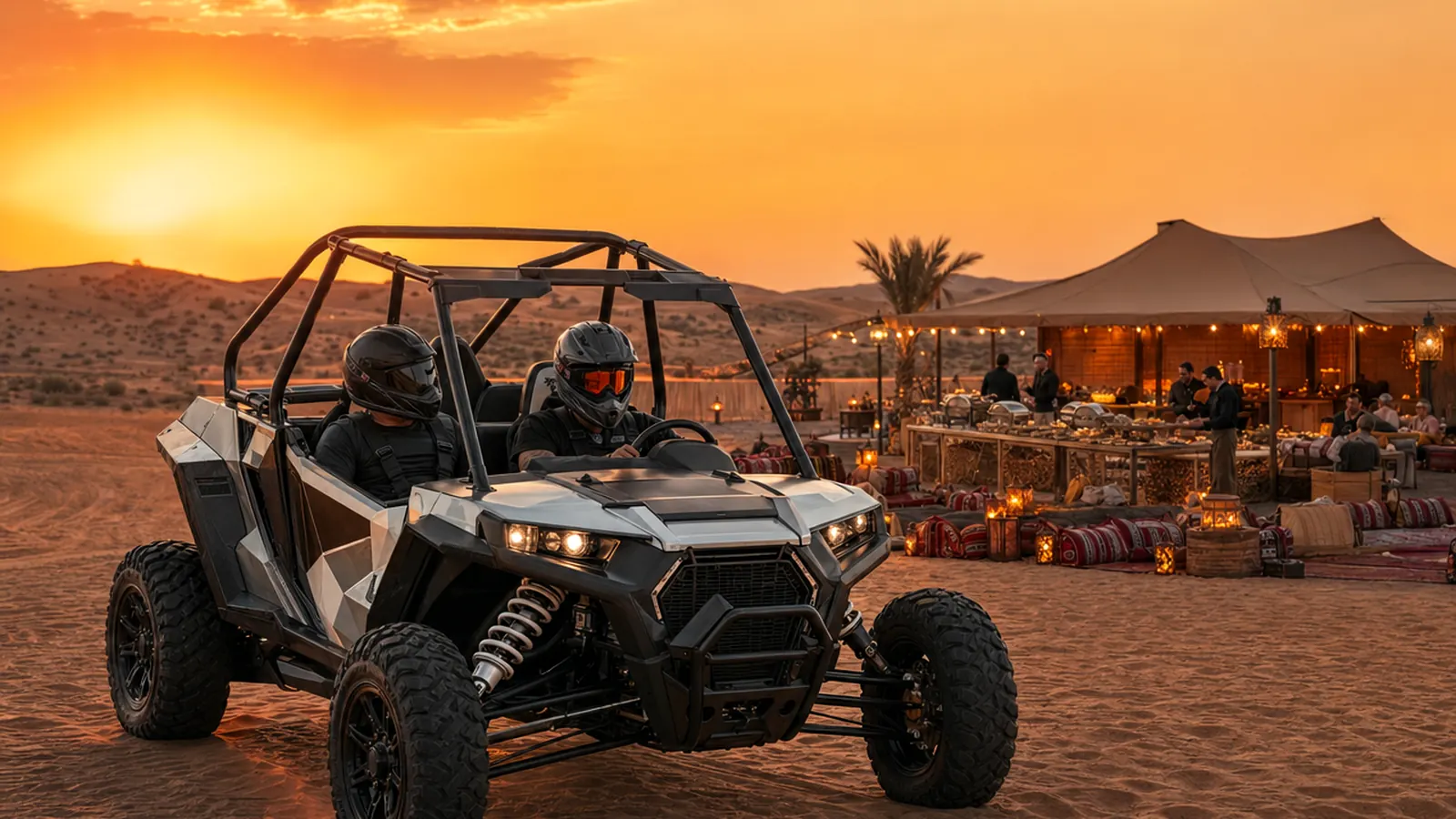
Also check that the seat is firmly attached and that the harness mounts are bolted to the chassis, not just to the seat frame. A seat that can slide or break loose in a crash is dangerous.
Understand Four-Wheel Drive vs Two-Wheel Drive
One of the biggest decisions is whether to choose a four-wheel drive buggy or a two-wheel drive model. Four-wheel drive gives you much better traction in soft sand and on steep dunes. It helps you keep moving when a two-wheel drive buggy would dig in and stop. If you plan to ride in deep, loose sand or climb tall dunes, four-wheel drive is almost essential.
Two-wheel drive buggies are lighter, faster on hard surfaces, and often cheaper. They are fun on compacted desert tracks or in areas where the sand is not too deep. However, they can get stuck easily in soft patches. If you are a beginner or unsure of the terrain, a four-wheel drive buggy gives you more margin for error. Many riders start with a four-wheel drive and later move to a two-wheel drive for specific kinds of riding.
Consider Tour Duration and Desert Navigation
If you are renting a buggy for a desert trip, the buggy tour duration affects what kind of vehicle you need. A short ride of an hour on moderate terrain does not demand the same machine as a full-day expedition into remote dunes. For longer rides, comfort and fuel capacity matter. A buggy with a small fuel tank will need frequent stops, which breaks the flow of the ride.
Desert navigation is another factor. Some buggies come with a GPS or a simple compass mount. If you plan to ride far from marked trails, you need a way to find your way back. Even with a GPS, a buggy that has a reliable odometer and a sturdy mount for your device is helpful. In the desert, landmarks can look the same from every angle, so navigation aids are not optional.
Also think about how many people will ride. A two-seater buggy is the most common, but some models seat four. If you want to share the experience with a passenger, make sure the buggy has a proper second seat with its own harness seatbelt and roll cage protection.
Look at Cooling System and Sand Protection
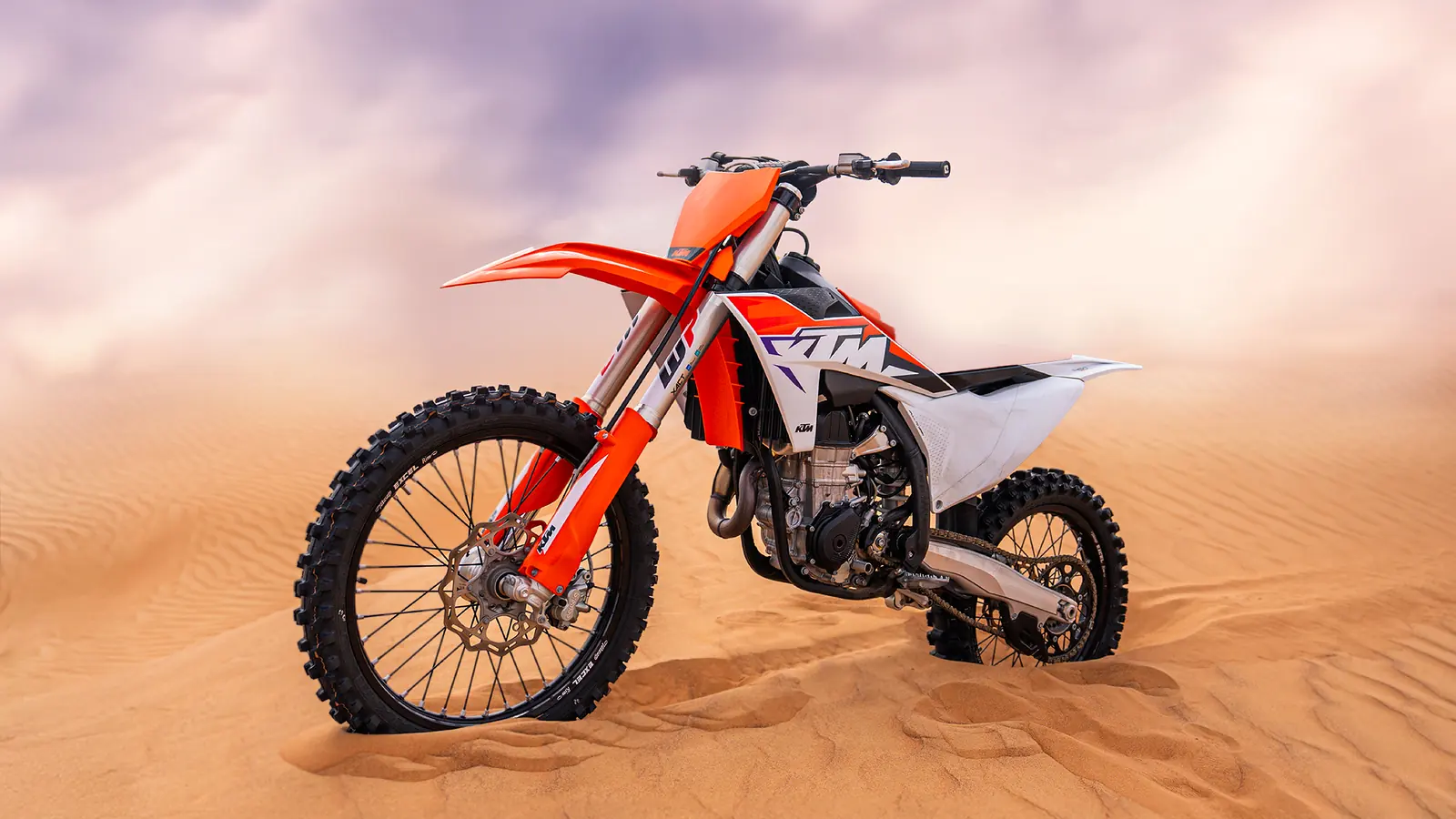
The Dubai desert is hot, and a dune buggy works hard. The cooling system keeps the engine from overheating. Some buggies have an air-cooled engine, which relies on airflow. Others use a liquid cooling system that circulates coolant around the engine. In summer temperatures above 45 degrees Celsius, liquid cooling is more effective. An air-cooled engine can overheat if you are moving slowly or stuck in soft sand.
Sand protection is about keeping the fine desert dust out of the engine, gearbox, and bearings. A good buggy will have sealed bearings, a sand-proof air filter, and a cover over the engine bay. Some buggies also have a snorkel that draws air from above the dust layer. If you see a buggy with a standard car-style air filter or open bearings, it will not last long in the desert.
Check that the buggy has a proper sand filter and that the engine intake is high enough to avoid sucking in sand. A simple mesh filter is not enough; you need a multi-stage filter that catches fine particles.
Test the Controls and Comfort
Before you commit to a buggy, sit in it. Adjust the seat and check that you can reach the pedals and steering wheel comfortably. The steering should be light and responsive, not heavy or vague. The brake pedal should have a firm feel, and the accelerator should be smooth. If the controls feel awkward in the parking lot, they will feel worse on a bouncing dune.
Ask about the buggy's maintenance history. A well-maintained buggy will have clean oil, a fresh air filter, and no leaks. If the buggy looks dirty or neglected, the mechanical condition is probably poor. A clean, well-cared-for buggy is a sign that the owner takes safety seriously.
For more detailed information on buggy models and desert riding tips, you can look up buggyridedubai.com. It provides useful background on what to expect from different types of buggies in the Dubai desert.
Make Your Choice Based on Your Ride
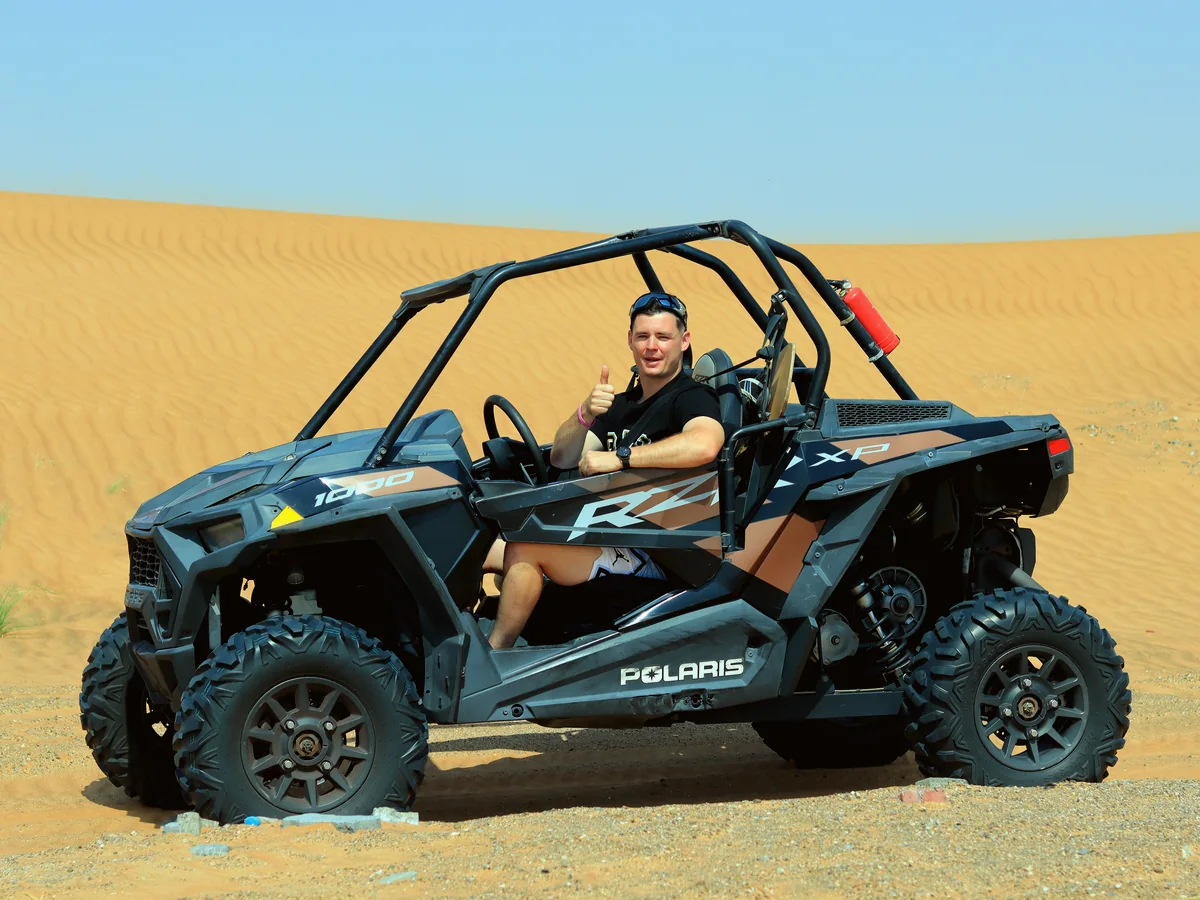
Choosing the right dubai dune buggy comes down to matching the vehicle to the terrain, your experience, and the length of your ride. Focus on the roll cage, harness seatbelt, four-wheel drive capability, cooling system, and sand protection. A buggy that scores well on those points will serve you well in the desert.
One local option is Dune Buggy Dubai and Quad Bike Rental | Desert Safari, KTM Dirt Bike, CanAm Rental. You can find them at 28 Academic City - Rd Arab Tec Building - Block A Office AN114 - ند حصه - واحة دبي للسيليكون - دبي - United Arab Emirates.
Dune Buggy Dubai and Quad Bike Rental | Desert Safari , KTM Dirt Bike , CanAm Rental is also on Facebook.